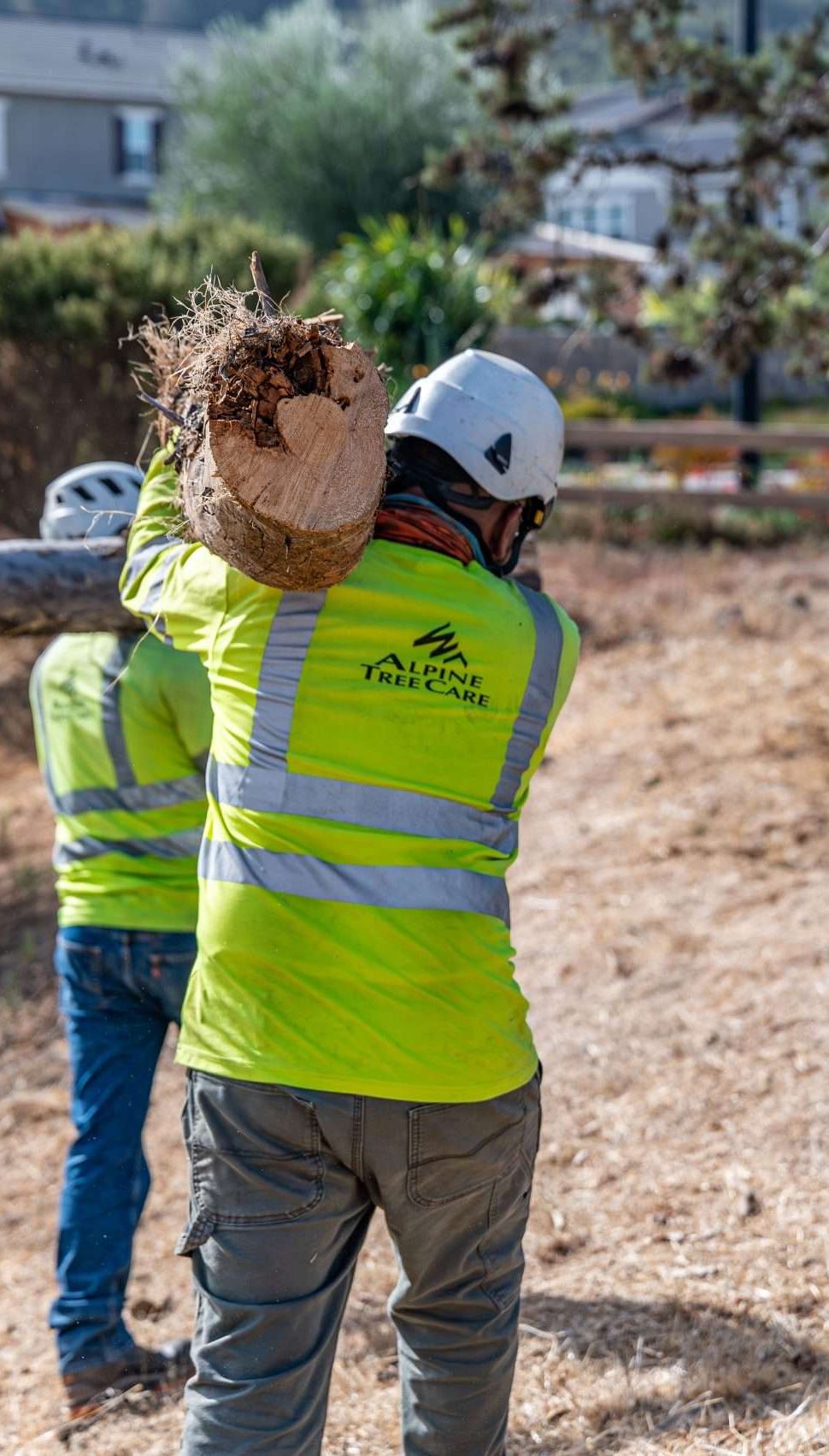
When Tree Removal Becomes Part of Tree Maintenance
Most people think tree maintenance just means trimming branches or helping trees grow.
And sure, pruning and regular inspections are a big part of good tree care. They keep trees strong and growing the right way.
But sometimes, taking a tree down is also part of the job.
A tree that’s weak, diseased, or unstable can put nearby trees, buildings, and people at risk. When that happens, removal isn’t the end of tree care. It’s just the next step.
This guide breaks down when tree removal becomes part of tree maintenance. You’ll learn the warning signs of a failing tree, why removal may be the right call, and how professional arborists make that decision.
What Tree Maintenance Actually Means
Tree maintenance is about keeping trees healthy, stable, and safe over time.
With regular care, most tree problems can be caught early before they turn into bigger issues.
Common parts of a tree maintenance plan include
- Pruning to remove dead or weak branches
- Inspections to check for disease or damage
- Plant health care to support strong roots and leaves
- Monitoring tree growth and stability
- Managing pests and tree diseases
Routine care reduces stress on trees and lowers the chance of falling branches.
Many property owners schedule yearly inspections so problems can be spotted and handled early.
Why Tree Removal Is Sometimes the Right Call
Even with good care, some trees reach a point where they can’t recover.
Storm damage, disease, and structural problems can wear a tree down over time. When that happens, removal may be the safest path forward.
Tree removal may be needed when
- A tree has severe storm or wind damage
- Disease has spread throughout the tree
- The tree has died
- The tree is leaning heavily or losing stability
- Roots are damaging foundations, sidewalks, or underground utilities
A damaged tree can fall without warning. Dead limbs can break off and injure people or damage property.
Removing a hazardous tree protects everyone and everything around it.
Warning Signs a Tree May Need to Come Down
Many trees give clear signs when they start to fail. Property owners should watch for these during routine inspections.
Common warning signs include
- Large dead branches high in the canopy
- Cracks or splits in the trunk
- Mushrooms or fungal growth near the base
- A tree that suddenly starts leaning
- A hollow trunk or areas of deep decay
- Roots that are lifted or damaged
These signs often point to problems happening deep inside the tree.
A professional arborist can inspect the tree and tell you whether it can be saved or whether removal is the safer option.
How Arborists Decide Whether a Tree Should Be Removed
Arborists look at several things before recommending removal. Their goal is always to save healthy trees when possible.
During an inspection, an arborist may check
- The strength and structure of the trunk
- Root stability below the soil
- Signs of disease or insect damage
- Overall canopy health
- The tree’s location near buildings, roads, or walkways
If the tree still has a solid structure, pruning or plant health treatments may be enough to bring it back.
But when there’s severe decay or the structure has failed, removal becomes the safest choice.
Tree Removal as Part of a Property Maintenance Plan
For commercial properties and large residential landscapes, tree safety is a big piece of the maintenance puzzle.
Property managers often build tree inspections into their routine landscape care. Removing high-risk trees early can prevent much bigger problems down the road.
Benefits of staying proactive with tree removal include
- Lower risk of falling branches
- Less chance of property damage
- Protection for nearby healthy trees
- A safer outdoor space for visitors and residents
When removal is planned ahead of time, the whole process is safer and easier to manage.
What Happens After a Tree Is Removed
Tree maintenance doesn’t stop once a tree comes down. There are a few steps that often follow.
Common post-removal services include
- Stump grinding to clear out what’s left
- Soil improvement to prepare the area for new planting
- Planting new trees in better spots
- Monitoring nearby trees for signs of stress
Stump grinding helps keep pests away and leaves the property looking clean.
Planting new trees can restore shade and support a healthy landscape long term.
How Professional Tree Care Helps Property Owners
Working with trained tree care specialists helps property owners stay on top of tree safety.
Professional arborists bring real experience, proper training, and the right equipment for the job.
Professional tree services often include
- Tree inspections and arborist reports
- Pruning and canopy management
- Tree removal and stump grinding
- Fire fuel reduction services
- Ongoing tree maintenance programs
These services protect both the trees and the people around them.
Routine maintenance also cuts down on emergency situations caused by weak or damaged trees.
Protect Your Property With Alpine Tree Care
Healthy trees add real value to any property. But when a tree becomes weak, diseased, or unstable, taking it down may be the most responsible move you can make.
Alpine Tree Care helps property owners spot risks early and keep their landscape in great shape. Our team works with commercial properties and large residential landscapes to build smart, year-round tree maintenance plans.
Ready to get started? Contact Alpine Tree Care today to schedule a tree inspection and find out how a solid maintenance plan can protect your property for years to come.
Table of Contents