
Tree Removal in Santa Clara County: A Comprehensive Guide to Safe and Efficient Tree Cutting
Tree Removal in Santa Clara County: A Comprehensive Guide to Safe and Efficient Tree Cutting
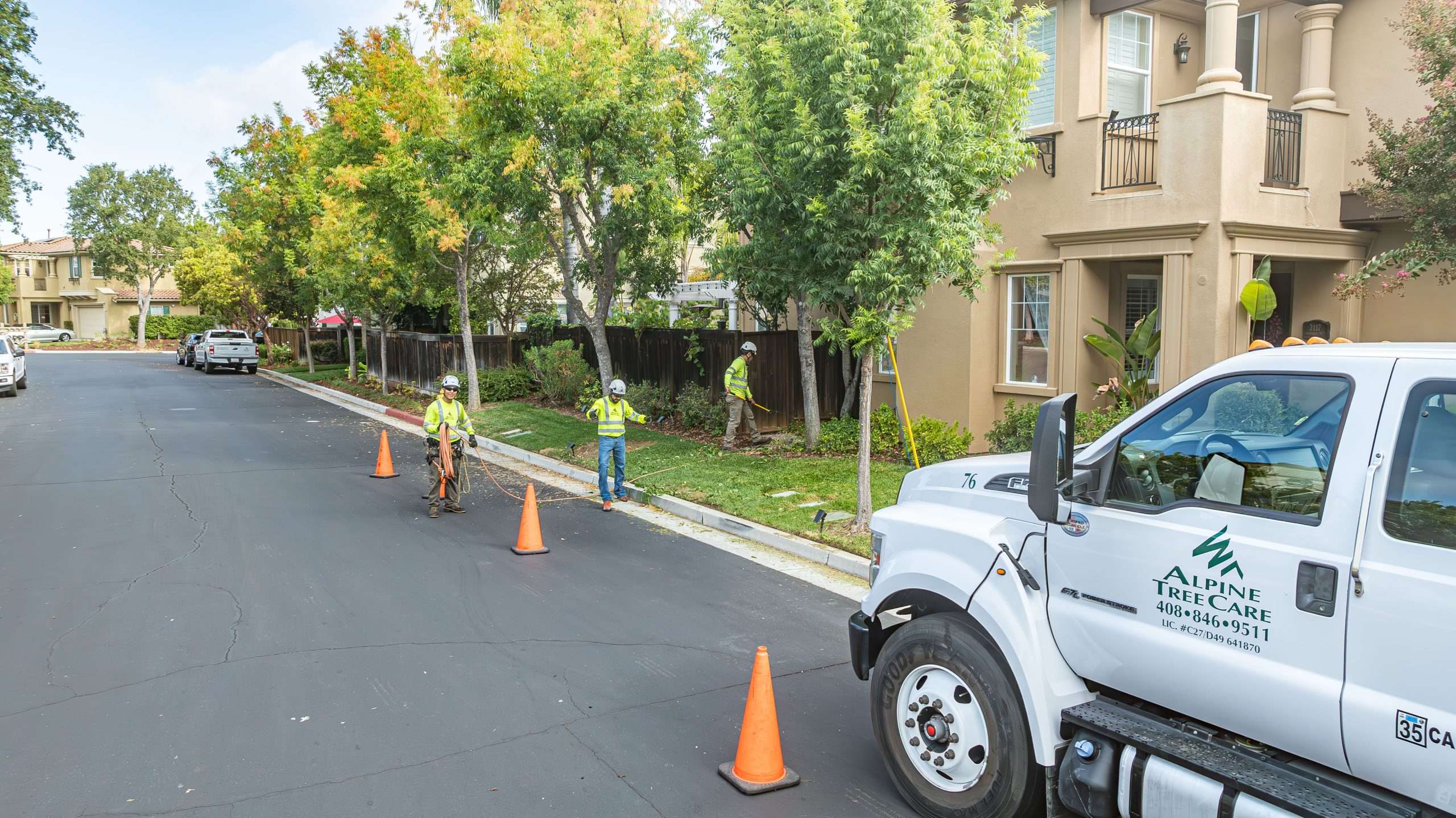
Tree removal is a task that demands respect. It can be dangerous and complex, but with the right knowledge, preparation, and equipment, it can be done safely and efficiently. Whether you’re a homeowner in Santa Clara County, San Benito County, Monterey County, or Alameda County looking to tackle a DIY project or simply want to understand the process better, this comprehensive guide will equip you with the essential information and skills needed to safely fell a tree. However, always remember that tree removal can be extremely hazardous, and if you’re unsure about any aspect of the process, it’s always best to consult or hire a professional arborist.
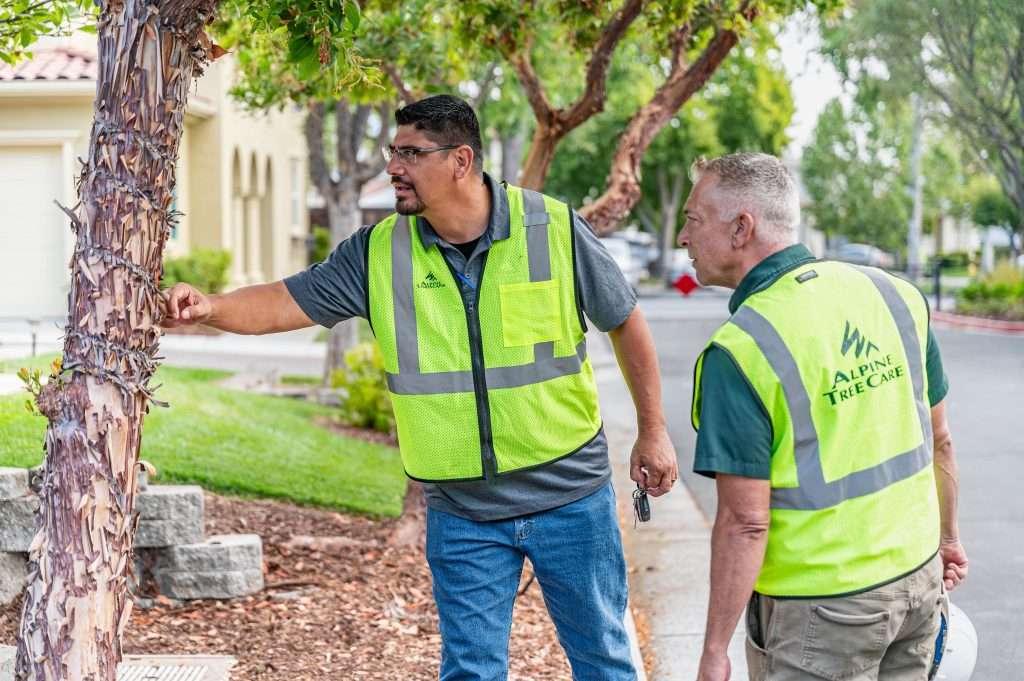
1. Assessing the Tree and its Surroundings
Before you even think about picking up a chainsaw, a thorough assessment of the tree and its surroundings is crucial. This step helps you identify potential hazards and ensures your safety throughout the process. Here’s what to consider:
• Tree Condition: Examine the tree carefully for signs of disease, decay, or instability. Look for dead or hanging branches, cracks in the trunk, fungal growth, or leaning. These could make the tree more likely to fall in an unexpected direction, posing a significant risk.
• Obstructions: Identify any nearby structures, power lines, fences, or other obstacles that could be damaged if the tree falls. This includes considering the potential impact on your property and neighboring properties. If the tree is near power lines, contact your local utility company for assistance, as this is extremely dangerous and best left to professionals.
• Fall Area: Estimate the tree’s height and the potential fall path to establish a safe working zone. Clear the area of any obstacles that could hinder your escape or cause the tree to fall in an unintended direction. Remember, the fall area should be at least twice the height of the tree.
2. Gathering the Necessary Equipment
Having the right equipment is essential for both safety and efficiency. Make sure you have the following:
• Safety Gear: Personal protective equipment is non-negotiable. This includes a hard hat to protect your head from falling debris, safety glasses to shield your eyes, hearing protection to reduce noise exposure, and heavy-duty work gloves for a secure grip and hand protection. Steel-toe boots are also recommended to protect your feet from falling objects. If you’re operating a chainsaw, chaps are a must to protect your legs in case of accidental contact.
• Chainsaw: Choose a chainsaw appropriate for the size of the tree you’re cutting. Ensure it’s well-maintained, has a sharp chain, and you are familiar with its operation. If you’re unsure about chainsaw maintenance or operation, consult a professional or refer to the manufacturer’s instructions.
• Felling Wedges: These plastic or wooden wedges help prevent the tree from pinching the chainsaw bar and guide the tree to fall in the desired direction. They are essential for maintaining control during the felling process.
• Additional Tools: Other helpful tools include an axe or hatchet for clearing smaller branches, a rope to help guide the tree’s fall (especially in windy conditions), and a first aid kit for emergencies.
3. Cutting the Notch
The notch cut is a critical step that determines the direction the tree will fall.
• Plan the Notch: Decide on the desired fall direction, considering the tree’s lean, the location of obstacles, and your escape route. The notch should be on the side of the tree facing the intended fall direction.
• Make the Notch: The notch consists of two cuts:
○ Top Cut: Make the first cut at a 45-degree angle downwards, about one-third of the way into the trunk.
○ Bottom Cut: Make a second, horizontal cut to meet the bottom of the first cut, creating a wedge-shaped notch.
4. Making the Felling Cut
This is the cut that actually brings the tree down.
• Insert Wedges: Before starting the felling cut, move to the opposite side of the tree. Make a horizontal cut, called the back cut or felling cut, slightly above the bottom of the notch. As you cut, insert the felling wedges into the cut to prevent the saw from pinching and to help guide the fall.
• Execute the Felling Cut: Continue the felling cut, but do not cut all the way through. Leave a hinge of uncut wood, about 1 to 2 inches thick, to act as a pivot and control the tree’s descent.
• Monitor and Retreat: As the tree starts to lean and fall, stop cutting, remove the saw, and retreat quickly to a safe distance along your pre-planned escape route. Never turn your back on a falling tree.
5. Post-Felling Cleanup
Once the tree is down, the work isn’t over. Here’s how to handle the cleanup:
• Limbing: This involves removing the branches from the fallen tree. Start at the base of the tree and work your way towards the top, always staying on the uphill side to avoid being struck by rolling logs. Use a pulling chain (cutting downwards) for better control.
• Bucking: Cut the trunk into manageable sections for removal or firewood. If the log is on the ground, cut most of the way through, then roll it over to finish the cut from the other side. This prevents your chainsaw from hitting the ground and dulling the chain.
6. Frequently Asked Questions
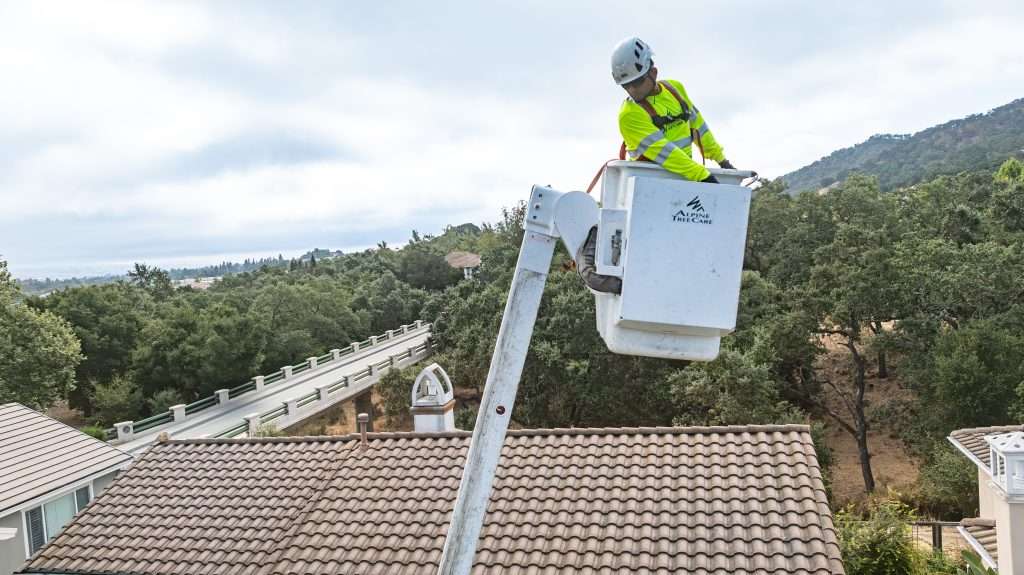
• Why is tree removal so expensive? Tree removal costs can vary significantly depending on several factors, including the tree’s size, location, accessibility, the complexity of the job, and the need for specialized equipment like cranes or aerial lifts.
• What is the proper technique for tree cutting? The proper technique involves a thorough assessment of the tree and its surroundings, planning the notch and felling cuts, using appropriate safety gear, and following best practices for limbing and bucking.
• How do you cut a tree down safely? Safety precautions include wearing all necessary safety gear, maintaining a safe distance from the falling tree, using proper cutting techniques, and being aware of potential hazards.
7. Professional Tree Removal Services
If you have any doubts about your ability to safely and effectively remove a tree, it’s always best to contact a professional arborist. Alpine Tree Care offers professional tree removal services in Santa Clara County, San Benito County, Monterey County, and Alameda County. Our team of experts can handle all your tree care needs, from tree removal and trimming to stump grinding and emergency services.
Contact Alpine Tree Care today for a free estimate and let our professionals handle your tree removal needs safely and efficiently.