
Tree Professionals Reveal How to Spot Dangerous Trees Safely
In this quick guide, tree professionals share how to spot dangerous trees before disaster strikes. You’ll learn warning signs of decay, weak spots, and hidden dangers that threaten your family and home. Protect your loved ones, avoid costly repairs, and maintain your property value with these expert tips.
Why Tree Safety Matters for Homeowners
When you own a home with mature trees, safety protects both your family and your investment.
Healthy trees boost your home’s curb appeal and value, while dangerous ones put your family at risk. Working with tree professionals ensures regular inspections that catch problems early and protect what matters most to you.
Signs of Hazardous Trees to Watch For
Watch for cracks in the trunk or branches that signal weak spots ready to break. Fungal growth at the base means the tree is rotting inside. Sudden leaning or increased leaning after storms warns of root damage or unstable soil.
Catching these warning signs early lets you take action before trees become dangerous. Regular checks save you from costly repairs and protect everyone on your property.
Understanding Tree Decay and Structural Weaknesses
Tree decay starts inside when fungi enter through bark wounds. The tricky part? A tree might look fine outside while rotting inside. Watch for soft wood, hollow sounds when tapped, sawdust at the base, or mushrooms near roots.
Only trained tree professionals can spot these hidden dangers before they cause harm. Early detection allows for timely pruning or removal, keeping your property and people safe.
Common Misconceptions About Tree Safety
Green leaves don’t guarantee a safe tree. Many dying trees produce leaves using stored energy while hiding internal decay. Not all leaning trees are dangerous either. Some naturally grow that way and remain stable for years.
Don’t ignore falling branches! They often signal decay, weak connections, or storm damage. Tree professionals can identify truly hazardous trees and protect your family from unexpected dangers that might harm your children, pets, or home.
Proactive Tree Risk Assessments
Don’t wait for obvious tree damage. Be proactive!
During assessments, tree professionals examine structure, decay, branch strength, and root stability. They consider factors like soil erosion and wind exposure. Early detection lets you make smart decisions about pruning, bracing, or removal before emergencies happen.
Preventive Measures to Ensure Long-Term Safety
Smart pruning reduces wind resistance and prevents branch failure during storms. It balances the tree’s structure while removing dead or weak limbs, making trees both safer and more attractive.
Know when to call for professional help. For sudden tree leaning or storm damage, quick action prevents accidents. Alpine Tree Care’s commercial tree care programs provide both emergency services and ongoing maintenance to protect your property.
The Role of Tree Professionals in Family Safety
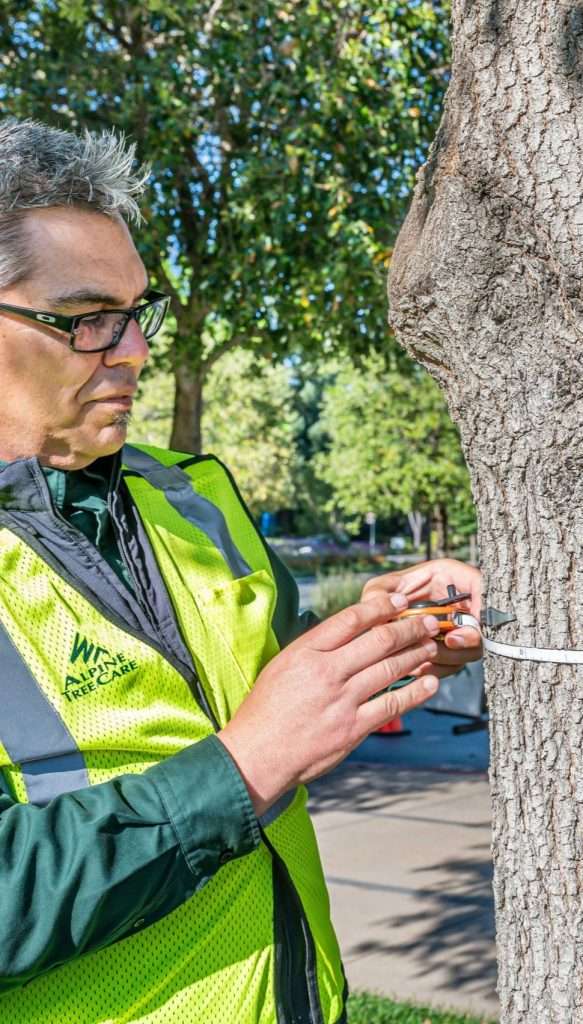
Tree professionals bring specialized knowledge and tools that untrained eyes don’t have. They use their tools to see inside trees without harming them, spotting hidden dangers before they become obvious.
Alpine Tree Care specializes in residential tree care and risk management for suburban homes with mature trees. We understand how soil conditions, weather patterns, and pests affect tree health, offering tailored solutions from testing to tree removal that keep your family and property both safe and beautiful.
Conclusion
Identifying hazardous trees protects both people and property values. By recognizing warning signs and understanding hidden dangers, you prevent accidents and maintain an attractive, safe environment for everyone.
Tree safety requires ongoing care, not just problem-solving. Regular assessments by tree professionals give you confidence that your landscape is both beautiful and secure. Don’t wait for disaster. Schedule your professional tree risk assessment today!
FAQs
Table of Contents
Look for trunk cracks, soft wood, fungal growth, dead branches, leaning, and exposed roots. Regular tree risk assessments by professionals catch these problems early.
Check regularly for warning signs, maintain proactive pruning, and remove unstable limbs. Consulting with tree professionals about regular assessments is your best protection.
Call immediately for severe leaning, large trunk cracks, or unexpected fallen branches. This is especially important after storms or when trees are near buildings or walkways.
No. Trees often decay from inside out. Watch for mushrooms at the base, hollow sounds when tapped, or sawdust-like material. Only professional inspection reliably finds hidden decay.
They provide expert hazard evaluation, preventive care, and custom solutions to keep your property safe and attractive while reducing risks through proper tree maintenance.