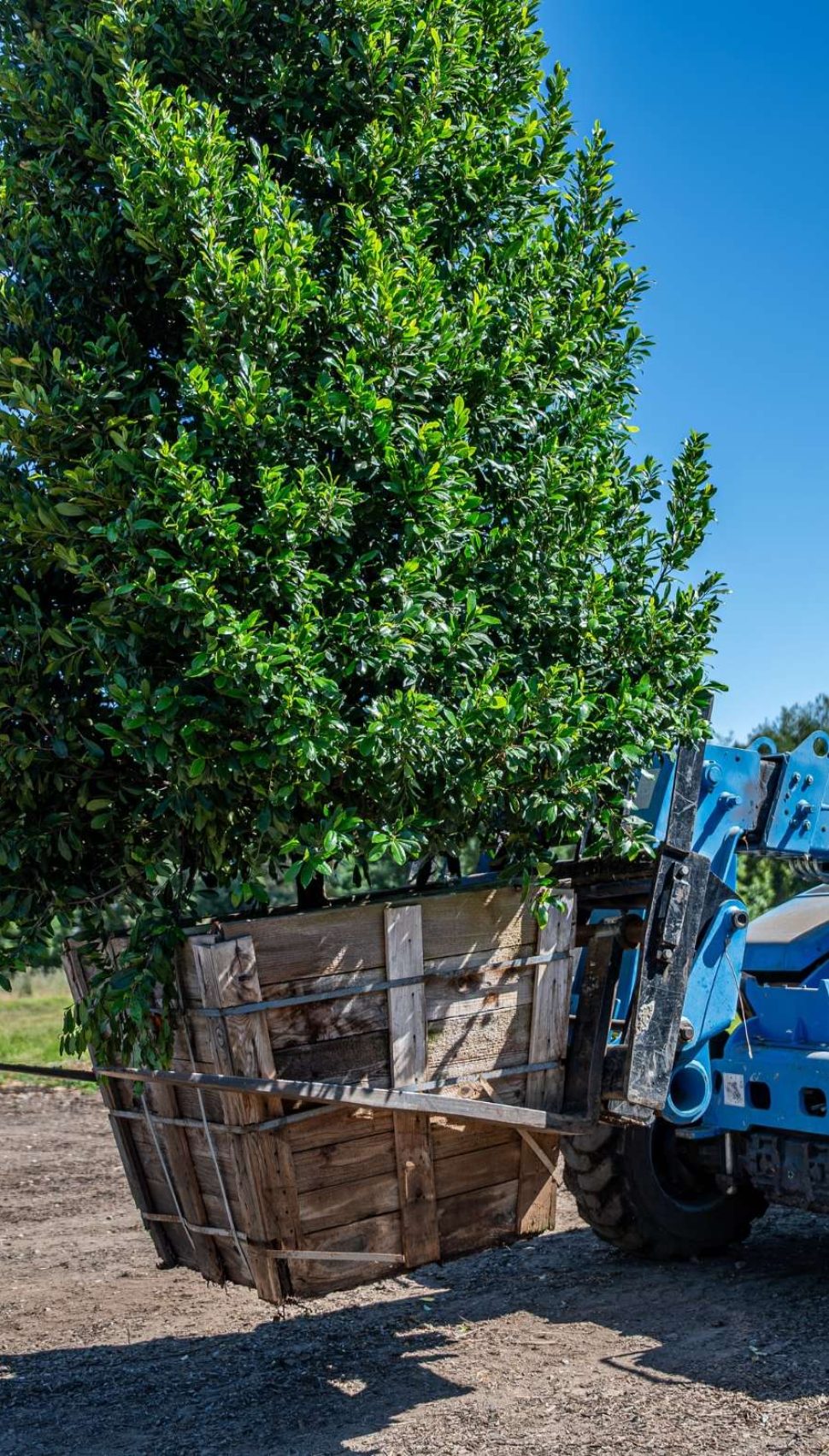
Tree Health Services Guide for Safer, Healthier Properties
Healthy trees can make a property feel calm, shaded, and well cared for. They also help protect people, buildings, cars, walkways, and outdoor spaces when they get the right attention.
The tricky part? Tree problems are not always easy to spot. A tree can look perfectly fine from far away and still have weak branches, pests, root stress, disease, or hidden decay. That is where tree health services come in.
Tree Health Services Explained
Tree health services are professional care services focused on keeping trees strong, safe, and healthy over time. A good tree health plan looks at what a tree needs now and what could turn into a problem later.
Tree health services may include:
- Tree inspections
- Tree pruning
- Pest checks
- Disease care
- Soil and root care
- Tree risk checks
- Tree mapping
- Arborist reports
- Ongoing maintenance
Why Tree Health Care Matters for Large Properties
Large properties often have many trees in busy areas near buildings, parking lots, sidewalks, play areas, and utility lines. When one tree goes weak, the risk can reach far beyond that single tree.
Tree health care helps property owners stay ahead of problems like:
- Falling branches
- Dead limbs
- Root damage
- Pest activity
- Tree disease
- Poor structure
- Storm damage
- Fire fuel buildup
Common Signs Your Trees Need Health Services
Trees often show warning signs before a big problem hits. The key is knowing what to look for before things get worse.
If you see any of these signs, schedule a tree health assessment:
- Dead or hanging branches
- Yellow or thinning leaves
- Cracks in the trunk
- Mushrooms near the base of the tree
- Peeling or missing bark
- Small insect holes in the bark
- Sawdust near the trunk
- A tree that leans more than before
- Soil lifting near the roots
- Leaves dropping too early
- Bare spots in the canopy
One warning sign does not always mean a tree has to come down. It means the tree should get checked by a trained professional before things get worse.
What Happens During a Tree Health Assessment
A tree health assessment helps an arborist understand a tree’s condition from the ground up. It also helps property owners make safer, smarter care decisions.
During the visit, the arborist may check:
- Leaf color and size
- Canopy thickness
- Dead or broken branches
- Trunk cracks or cavities
- Bark damage
- Root flare condition
- Soil compaction
- Drainage problems
- Signs of pests or disease
- Tree lean
- Nearby buildings, walkways, and traffic areas
After the assessment, the arborist can suggest the best next step. That may be pruning, pest care, soil support, more monitoring, an arborist report, or removal if safety is a concern.
Tree Pruning for Better Tree Health
Tree pruning is one of the most common tree health services. When done right, pruning improves tree structure and cuts down on risk.
Good pruning may help:
- Remove dead branches
- Clear broken limbs
- Reduce branch weight
- Improve airflow
- Let more light pass through the canopy
- Keep branches away from roofs and buildings
- Clear walkways, roads, and parking areas
- Support healthier growth
Poor pruning can actually weaken a tree. Cutting too much, cutting at the wrong spot, or topping a tree can lead to stress, decay, and weak new growth.
Pest and Disease Care for Trees
Pests and diseases can spread fast when ignored. Some problems start small and get much harder to treat over time. Tree health services help catch these issues early, before major damage sets in.
Common signs of tree pests or disease include:
- Holes in the bark
- Sticky leaves
- Wilting leaves
- Leaf spots
- Dead branch tips
- Odd bumps or growths
- Sawdust near the trunk
- Bark that looks loose or damaged
The right treatment depends on the tree species, the type of pest or disease, and how far the damage has gone. In most cases, early care gives the tree a better shot at recovery.
Soil, Roots, and Water Stress
Many tree health problems start underground. Roots need enough space, air, water, and healthy soil to hold a tree up. When the root area gets damaged or stressed, the whole tree can suffer.
Common soil and root problems include:
- Compacted soil
- Poor drainage
- Too little water
- Too much water
- Root damage from construction
- Mulch piled against the trunk
- Soil grade changes
- Roots covered by pavement or hardscape
In South Bay cities like San Jose, Sunnyvale, Santa Clara, Mountain View, and Palo Alto, dry weather and heat can add extra stress on trees. A tree health care plan can help with watering, soil care, and root protection.
Tree Health Services for Fire Fuel Reduction
Tree care plays a big role in fire fuel reduction. This is especially true for California properties where dry branches, brush, and dense plant growth can raise risk levels.
Fire fuel reduction may include:
- Removing dead branches
- Clearing dry brush
- Reducing low branches when needed
- Removing crowded or unsafe growth
- Creating better spacing between plants
- Cleaning up fallen limbs and debris
- Managing ladder fuels that can carry fire upward
A careful approach matters here. Removing the wrong branches or cutting too much can stress a tree and create new problems down the road.
Arborist Reports and Tree Health Planning
An arborist report is a written document that covers a tree’s condition, any risk concerns, and care recommendations. Property owners may need one when making big decisions about their trees.
An arborist report may be helpful for:
- Construction planning
- HOA decisions
- Tree removal review
- Property safety concerns
- City permit needs
- Insurance questions
- Legal questions
- Long-term maintenance planning
Tree Mapping and Ongoing Maintenance
Tree mapping helps property owners understand what trees are on their site and where each one is located. This is especially useful for campuses, HOAs, business parks, and large properties with many trees.
Tree mapping can help track:
- Tree location
- Tree species
- Tree size
- Tree condition
- Priority care needs
- Past work
- Future maintenance dates
When tree mapping is paired with ongoing maintenance, property owners can plan work in a cleaner, more organized way. That helps avoid rushed decisions and last-minute emergency calls.
When Tree Removal Becomes the Safer Choice
The goal of tree health care is often to preserve trees when it is safe and reasonable. Still, some trees reach a point where removal is the better call.
Tree removal may be recommended when:
- The tree is dead
- The trunk is badly damaged
- Large limbs are unsafe
- The roots are failing
- The tree has a severe lean
- Decay is advanced
- Disease has spread too far
- The tree is too close to a structure and cannot be managed safely
After removal, stump grinding can help clear the space, reduce trip hazards, and make the area easier to reuse or maintain.
How Often Should You Schedule Tree Health Services
The right schedule depends on the property, the tree species, tree age, and how much risk is nearby. For many large properties, regular tree checks are a smart part of property care.
Tree health services may be helpful:
- Once a year for general care
- After heavy wind or storms
- Before fire season
- Before construction near trees
- When leaves change color too early
- When branches die back
- When bark, roots, or soil look different
- When a property changes ownership or management
Trees near buildings, roads, parking areas, and walkways may need closer attention since more people and property are nearby.
Choosing a Tree Health Services Company
A company with local experience can better understand the trees, weather, soil conditions, and property needs across the South Bay.
- Arborist knowledge
- Clear tree inspections
- Safe work practices
- Proper pruning methods
- Tree and plant health care
- Tree removal when needed
- Stump grinding
- Fire fuel reduction
- Arborist reports
- Tree mapping
- Ongoing maintenance plans
- Local experience
The right tree care company should understand tree health, tree safety, and long-term property needs. This matters even more for commercial properties and large residential sites where tree work must be handled with care.
Look for a tree health services company that offers:
Tree Health Services in San Jose, Sunnyvale, Santa Clara, Mountain View, and Palo Alto
Tree care needs can vary from one city to the next. A commercial property in San Jose may have different tree concerns than a large residential property in Palo Alto or an HOA in Sunnyvale.
Alpine Tree Care provides tree health services across the South Bay, including:
- San Jose
- Sunnyvale
- Santa Clara
- Mountain View
- Palo Alto
Each property deserves careful attention. The right plan may include pruning, tree removal, stump grinding, fire fuel reduction, tree and plant health care, arborist reports, tree mapping, or ongoing maintenance.
Build a Healthier Tree Care Plan for Your Property
Tree health services help protect your trees, your property, and the people who use that space every day. With regular inspections, proper pruning, pest and disease care, soil support, fire fuel reduction, arborist reports, tree mapping, and ongoing maintenance, your trees can stay safer and healthier for years to come.
If you manage a commercial property, HOA, campus, estate, or large residential property in San Jose, Sunnyvale, Santa Clara, Mountain View, or Palo Alto, Alpine Tree Care can help. Contact Alpine Tree Care today to schedule professional tree health services and build a care plan that fits your property.
Table of Contents