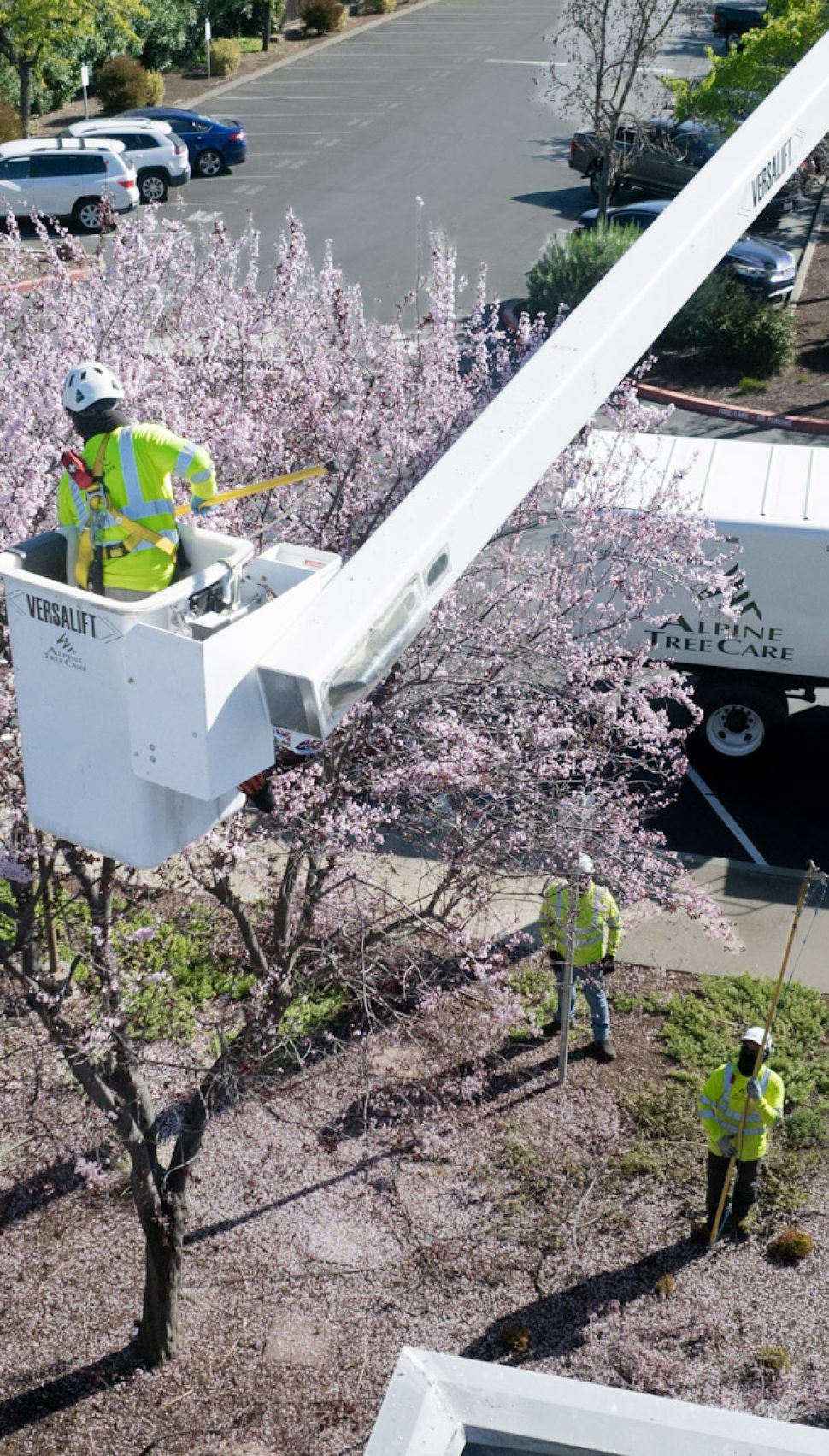
Commercial Tree Trimming Checklist For Property Managers
Managing a commercial property is a lot of work. You have to keep the site safe, clean, and easy to use every day.
Trees play a bigger role in that than most people think. Healthy, well-trimmed trees make a property look cared for. They give shade, frame buildings, and leave a strong first impression on tenants, guests, and customers.
When trees get ignored, they turn into problems fast. Dead branches fall. Overgrown limbs block signs and lights. Low branches get in the way of cars, trucks, sidewalks, roofs, and security cameras. That is why commercial tree trimming needs to be part of every property maintenance plan.
Commercial Tree Trimming Checklist For Property Managers
A solid checklist helps you catch problems before they grow into bigger ones. You do not need to be a tree expert to spot early warning signs during a basic property walk.
Use this checklist during routine site reviews, after storms, before fire season, and before planning major landscape work.
- Walk the full property and look at every major tree
- Check for dead, cracked, broken, or hanging branches
- Look for branches touching roofs, walls, gutters, signs, lights, fences, or cameras
- Watch for low limbs over sidewalks, parking lots, drive lanes, and loading areas
- Look for branches that block building signs or street visibility
- Check for limbs that rub against each other or grow at weak angles
- Look for pests, holes, fungus, loose bark, trunk cracks, or leaning trees
- Review trees near power lines and utility areas
- Clear dry branches, fallen leaves, and tree debris before fire season
- Keep photos, service notes, arborist reports, and maintenance records
Why Commercial Tree Trimming Matters For Property Safety
Commercial tree trimming is about more than looks. It helps cut down risk around buildings, parking lots, walkways, and shared outdoor spaces.
A weak branch over a sidewalk or a tree blocking a stop sign creates real problems. Regular trimming can help with all of these.
- Falling branches during wind or storms
- Blocked views near entrances and exits
- Low branches over walkways and drive lanes
- Limbs rubbing against buildings or roofs
- Branches hiding lights, signs, or security cameras
- Deadwood that may attract pests or disease
- Tree growth that makes the property look unkept
Signs Your Commercial Trees Need Trimming
Many trees show clear warning signs when they need care. Most of those signs are easy to spot from the ground during a routine walk.
If you notice any of these, it may be time to schedule commercial tree pruning or a tree health review.
- Branches look dry, dead, cracked, or broken
- Limbs hang low over sidewalks, roads, or parking spaces
- Tree branches touch buildings, roofs, windows, or gutters
- Trees block signs, lights, cameras, or street views
- Branches rub together or cross through the canopy
- Leaves thin out, change color too early, or fall at the wrong time
- The trunk has cracks, holes, loose bark, or soft spots
- Mushrooms or fungi grow near the base of the tree
- A tree leans more than it used to
- Roots lift pavement, curbs, or walkways
These signs do not always mean a tree needs to come down. Smart trimming and plant health care can often improve the tree and cut the risk.
Areas Property Managers Should Check First
Large sites can have a lot of trees, so it helps to start where people, cars, and buildings meet most often. Focus on the spots that affect safety, access, and daily operations.
Parking Lots And Drive Lanes
Parking lots are one of the first spots to check. Trees here often grow over cars, lanes, signs, and lighting. Look for branches that could hit trucks, delivery vehicles, or parked cars.
- Low branches over parking spaces
- Limbs blocking drivers' views
- Roots lifting pavement or curbs
- Branches near parking lot lights
- Deadwood over cars or walkways
Sidewalks And Entries
Sidewalks, ramps, and building entries need clear access. Low branches make these spaces hard to move through, especially for people carrying items or using mobility aids.
- Low limbs over paths and ramps
- Branches touching entry signs or awnings
- Trees blocking doorway visibility
- Fallen leaves or branches creating messy walkways
- Overgrowth near benches or outdoor seating
Building Edges And Roofs
Trees that grow too close to buildings create ongoing maintenance headaches. Branches may scrape walls, drop leaves into gutters, or hang over roofs.
- Branches touching walls or windows
- Limbs hanging over roofs
- Leaves filling gutters or roof drains
- Branches rubbing against siding or trim
- Tree growth blocking maintenance access
Signs, Lights, And Cameras
Trees can quickly cover signs, lighting, and security tools. Check these often, especially after fast spring and summer growth.
- Business signs hidden by branches
- Parking signs blocked by leaves
- Street views blocked near driveways
- Lights covered by tree canopies
- Security cameras blocked by limbs
Commercial Tree Trimming Near Power Lines
Trees near power lines need special care. This is not a job for a general maintenance crew or an untrained worker. Branches close to power lines can be dangerous.
Contact the utility company or a trained tree care provider before any work begins near electrical lines.
- Do not touch branches that are near power lines
- Do not let staff or tenants trim trees near wires
- Keep people away from fallen limbs touching wires
- Report trees growing into utility lines
- Build utility checks into your yearly tree maintenance plan
- Hire trained crews who understand safe clearance practices
If you are not sure whether a tree is too close to a line, treat it like a safety concern and ask for expert help.
Tree Trimming And Fire Fuel Reduction For Commercial Properties
In many California communities, fire safety is part of property care. Trees, shrubs, dry leaves, and fallen branches can all add fuel around buildings and outdoor spaces.
Commercial tree trimming can support fire fuel reduction when it is done as part of a full site plan. Key tasks may include the following.
- Remove dead branches from trees
- Clear dry leaves and fallen tree debris
- Trim low branches that allow fire to climb into tree canopies
- Create more space between trees and shrubs
- Keep branches away from roofs, fences, and buildings
- Clear overgrown areas near access roads and service zones
- Schedule extra care before dry weather and fire season
The goal is not to strip trees bare. The goal is to reduce dry, risky growth while keeping trees healthy. A trained tree care team can help balance fire safety, tree health, and property appearance.
How Often Should Commercial Properties Schedule Tree Trimming
There is no single schedule that fits every property. The right timing depends on the tree species, age, health, location, and how much risk the tree creates.
- Walk the property at least a few times each year
- Schedule a professional review once a year for high-use sites
- Check trees after storms, strong winds, or visible damage
- Review trees before fire season
- Trim fast-growing trees more often when they block access or visibility
- Create a long-term plan for older, larger, or high-risk trees
For large commercial sites, ongoing tree maintenance beats waiting for a problem. Planned care helps spread out costs and lowers the chance of surprise emergency work.
What To Include In A Commercial Tree Maintenance Plan
A tree maintenance plan gives property managers a clear way to care for trees over time. It turns tree care from a last-minute task into part of normal property management.
- Tree inventory or tree mapping
- Photos of major trees and problem areas
- Regular pruning schedule
- Tree health checks
- Risk inspections
- Fire fuel reduction work
- Notes on trees near buildings, sidewalks, and utilities
- Tree removal and stump grinding plans when needed
- Storm response steps
- Arborist reports and service records
Tree mapping is very helpful on larger properties. It lets managers track where trees are, what shape they are in, and what work has already been done. That makes budgeting easier and helps owners plan care for the long run.
When Property Managers Need An Arborist Report
Sometimes, a basic tree trim is not enough. If a tree looks damaged, diseased, unstable, or hard to judge, an arborist report may be the right next step.
A commercial property may need an arborist report when any of these apply.
- A tree has major cracks, decay, or dead branches
- A tree leans or appears unstable
- Roots are damaging pavement, walls, or curbs
- A tree may need removal
- The property is planning construction or paving work
- The city, HOA, school, or property owner needs written tree records
- There is concern about tree risk near people or buildings
- The property has many trees and needs a long-term care plan
An arborist report helps property managers avoid guesswork. It gives the owner clear information before choosing the next step.
What To Ask Before Hiring A Commercial Tree Trimming Company
Not every tree company is the right fit for commercial work. Large sites often need planning, safety steps, equipment, cleanup, and clear communication.
Before hiring a commercial tree trimming company, ask a few smart questions.
- Do you work with commercial and large residential properties
- Can you handle pruning, tree removal, stump grinding, and cleanup
- Do you offer tree and plant health care
- Can you provide arborist reports when needed
- Can you help with tree mapping and ongoing maintenance
- Do you understand local tree care needs in the South Bay
- Can you work around tenants, parking, vendors, and business hours
- How do you protect buildings, walkways, and nearby landscaping
- What is included in cleanup and debris removal
- Can you help plan seasonal tree care
The best tree care partner will not just cut branches. They will look at tree health, site safety, access, and long-term property goals.
Local Commercial Tree Trimming In San Jose And Nearby Cities
Local experience matters because tree care is not just about cutting. It is about knowing how trees grow in the area, how properties are used, and how to plan care with safety and long-term health in mind.
- Office parks
- Retail centers
- Apartment communities
- HOA properties
- Schools and campuses
- Large residential estates
- Mixed-use properties
- Parking lots and shared outdoor spaces
Commercial properties in the South Bay need tree care that fits the local climate, city rules, and property types. A business park in San Jose may have very different needs than an HOA in Palo Alto or an apartment community in Mountain View.
Alpine Tree Care works with commercial and large residential properties across San Jose, Sunnyvale, Santa Clara, Mountain View, and Palo Alto. Common property types include the following.
Commercial Tree Trimming Checklist
A simple checklist makes routine property walks easier. Save this list, print it, or use it before calling a tree care company.
Use it before storm season, fire season, budget planning, or a yearly property review.
- Check for dead, cracked, or hanging branches
- Look for low limbs over sidewalks, drive lanes, and parking spaces
- Check trees near signs, lights, roofs, fences, walls, and cameras
- Review trees near power lines and call the utility when needed
- Remove dry branches, leaves, and fallen debris for fire safety
- Look for pests, fungus, cracks, cavities, or loose bark
- Watch for roots lifting pavement, curbs, or walkways
- Schedule tree health checks with a qualified tree care provider
- Keep photos and service notes for each visit
- Plan ongoing maintenance instead of waiting for emergencies
This checklist is a starting point. If something looks unsafe, unusual, or hard to judge, call a professional tree care team.
Final Thoughts On Commercial Tree Trimming
Commercial tree trimming helps keep properties safer, cleaner, and easier to manage. It also supports tree health, improves curb appeal, and helps property managers catch small issues before they turn into costly problems.
With a clear checklist and a regular maintenance plan, you can protect your trees, your buildings, and the people who use your property every day.
Call Alpine Tree Care For Commercial Tree Trimming
If your property has overgrown, damaged, or hard-to-manage trees, Alpine Tree Care can help. Our team provides professional tree care for commercial and large residential properties in San Jose, Sunnyvale, Santa Clara, Mountain View, and Palo Alto.
We can help with pruning, tree removal, stump grinding, fire fuel reduction, tree and plant health care, arborist reports, tree mapping, and ongoing maintenance. Contact Alpine Tree Care today to schedule a commercial tree care review and build a safer, healthier plan for your property.
Table of Contents