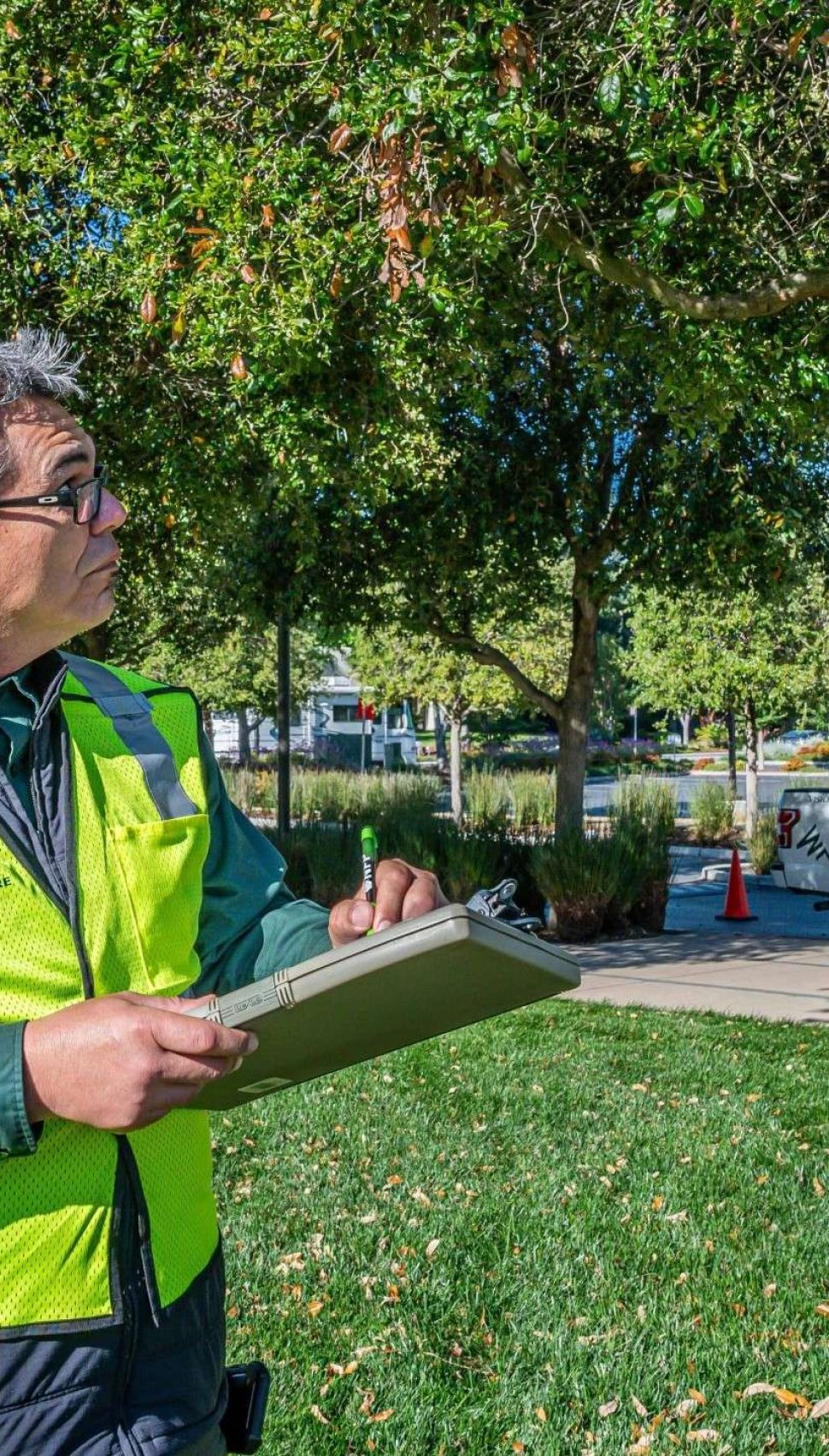
Arborist Reports Explained for Homeowners and HOAs
If you own a home or help manage an HOA, you might hear people talk about arborist reports and wonder what they mean. These reports usually pop up when trees look dangerous or when your city needs paperwork before letting you do tree work.
This guide breaks down arborist reports in simple terms. You’ll learn what they are, why people need them, and how to use them without stress. When you’re done reading, you’ll know what to do when someone asks for a report or hands you one.
What Is an Arborist Report
An arborist report is a written checkup of one or more trees on your property. A trained arborist writes it after looking at the tree’s health, how it’s built, and whether it’s safe.
The report tells you how the tree is doing and what you might need to do next. Cities, HOAs, and property owners use these reports to make smart choices about trimming, taking down, or caring for trees.
Most arborist reports include:
- Where the tree is and what kind it is
- How big it is and its overall condition
- Any damage or sickness you can see
- Safety problems
- What care or removal might be needed
Why Homeowners and HOAs Need Arborist Reports
Arborist reports take the guessing out of tree care choices. They give you clear facts that help you stay safe and plan ahead.
Homeowners might need a report when:
- Asking for permission to remove a tree
- Selling a house that has protected trees
- Dealing with a tree that looks damaged
HOAs count on arborist reports for:
- Regular tree checkups
- Planning budgets for trimming or removal
- Keeping trees safe near buildings and paths
- Following city tree laws
These reports prove your choices come from expert advice, not just a hunch.
What an Arborist Report Usually Includes
A standard arborist report uses the same basic layout, so you can find what you need fast.
You’ll usually see things like:
- What type of tree it is and how big
- Health notes about leaves, bark, and growth
- Problems with the tree's structure, like cracks or weak branches
- How risky the tree is for people or buildings
- What steps to take next
Some reports have photos or maps showing where trees are located. Others might list when you need to check back on the tree.
How Arborist Reports Are Used by Cities and HOAs
Cities often make you get an arborist report before they’ll approve tree work. The report helps city workers check safety, tree value, and whether you’re following the rules.
HOAs use arborist reports to:
- Plan care schedules
- Keep track of tree health over the years
- Backup board choices
- Give residents clear updates
When you use these reports the right way, they stop delays and cut down on arguments.
How to Read an Arborist Report Without Feeling Overwhelmed
Arborist reports might use words you’ve never seen before. Taking it slow and looking for action steps makes it easier.
Here’s what helps:
- Find the summary parts first
- Write down what actions are recommended and when
- Ask the arborist to explain anything confusing
Most arborists are glad to go through the report with you and answer your questions.
When to Request an Arborist Report
Getting a report at the right time makes approvals smoother and keeps trees safer.
You might want an arborist report:
- Before you start building or digging
- Right after a storm hits
- During normal HOA checkups
- Before you apply for any permits
Planning early helps you avoid making quick decisions under pressure.
Choosing the Right Arborist for the Report
Not every tree worker writes formal reports. Find an arborist who’s trained and knows how to put together written evaluations.
Look for someone with:
- The right certifications
- Experience working with city rules
- Reports that are clear and simple to read
- A willingness to answer your questions later
A good report saves everybody time.
Next Steps After Receiving an Arborist Report
When you get the report, read through what’s recommended and share it with whoever needs to see it. That could be city workers, your HOA board, or contractors.
If the report says you need follow-up work done, plan it soon. This lowers your risk and keeps your trees healthy.
If you need help making sense of an arborist report or doing what it suggests, a good tree care team can walk you through it. Contact Alpine Tree Care to look at your trees and help you figure out what to do next with confidence.
Table of Contents