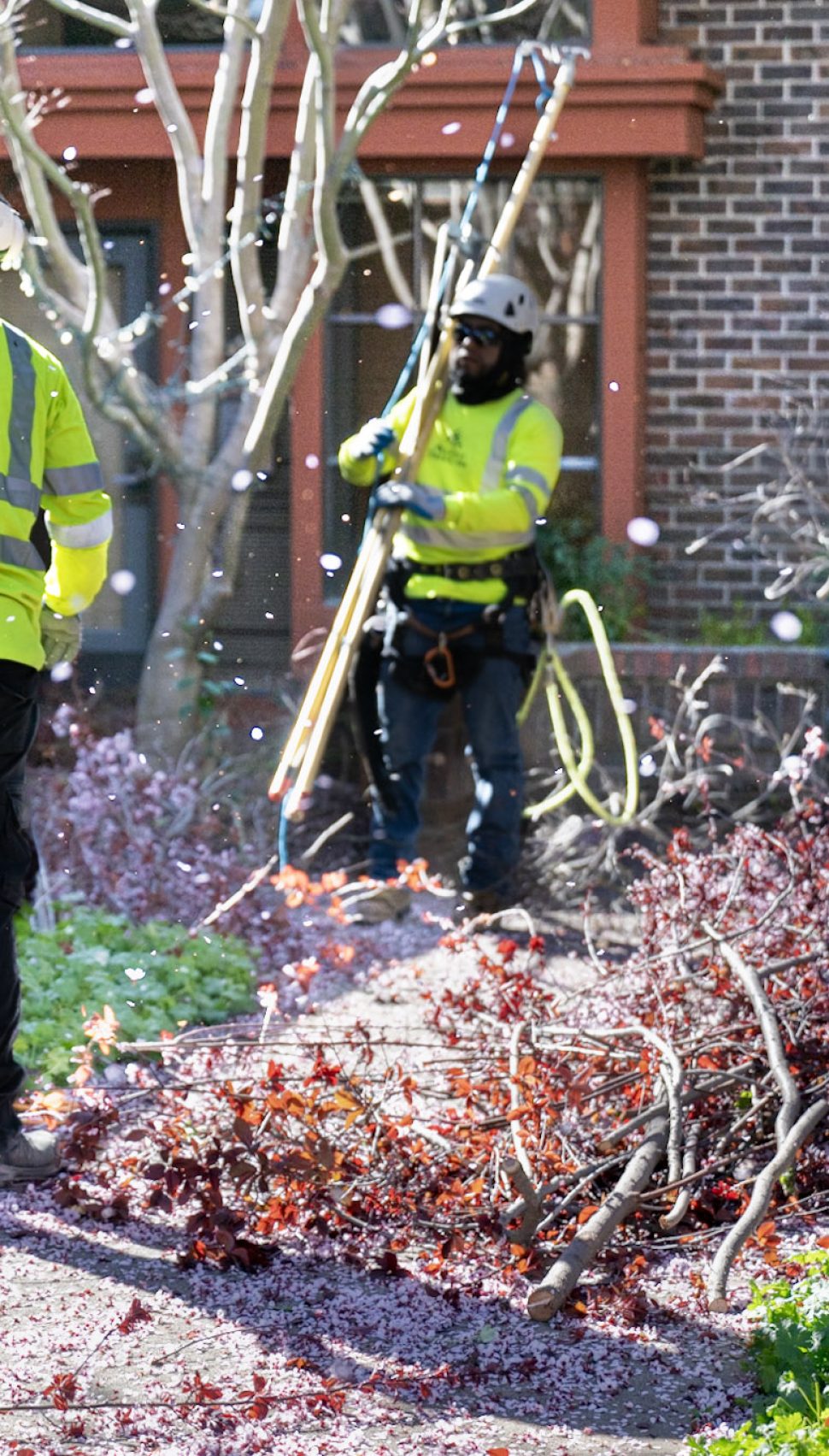
Fire Fuel Reduction and Tree Health Care in California
Wildfires are a growing concern across California.
For property owners, tree care is no longer just about looks. It’s about safety and long-term protection.
Fire fuel reduction plays a big role in keeping trees healthy and lowering fire risk. When done right, it protects your property, supports strong tree growth, and keeps your landscape safe during dry seasons.
In this guide, you’ll learn how fire fuel reduction works, why it matters, and what steps you can take to protect your trees.
What Is Fire Fuel Reduction in Tree Health Care
Fire fuel reduction means removing or managing materials that help fire spread.
These fuels often include dry leaves, dead branches, and thick vegetation around trees.
There are a few types of fuel to watch for.
Surface fuels sit on the ground. Think fallen leaves, twigs, and loose branches.
Ladder fuels let fire move upward from the ground into tree canopies.
Dense tree spacing traps heat and lets fire jump quickly from tree to tree.
By cutting back these fuels, you lower fire risk and improve tree health at the same time.
Why Fire Fuel Reduction Is Important in California
California has long dry seasons and hot weather. Those conditions make it easy for fires to start and spread fast.
Overgrown trees and unmanaged landscapes can act like fuel.
When trees are too close together or packed with dead material, fire moves fast and causes more damage.
With proper fire fuel reduction, you can slow down fire spread and protect nearby structures.
Healthy trees that are spaced well are more likely to survive heat and stress.
That makes regular tree care a smart move for both safety and long-term value.
How Fire Fuel Reduction Improves Tree Health
Fire fuel reduction isn’t only about fire safety. It also helps trees grow stronger.
When dead or weak branches are removed, trees can put their energy into healthy growth.
Better airflow around branches helps cut down moisture buildup, which can lead to disease.
When trees are spaced out properly, they don’t have to compete as hard for water and nutrients.
The result is stronger roots, fuller canopies, and better overall health.
Key Fire Fuel Reduction Methods for Trees
There are several ways to cut fire risk while improving tree condition.
- Tree pruning is one of the most effective steps. Removing deadwood and thinning the canopy cuts down fuel and improves structure.
- Brush clearing lowers the amount of material that can burn by cutting back shrubs and ground plants.
- Tree spacing keeps enough distance between trees so fire can’t easily jump from one to another.
- Debris removal should be done often. Fallen branches and dry leaves build up fast and raise fire risk.
- Stump grinding removes leftover wood that can act as fuel if left in place.
Together, these steps create a safer and healthier space for your trees.
Creating Defensible Space Around Your Property
Defensible space helps slow down fire and gives firefighters room to work.
This space is usually split into zones based on distance from buildings.
In the first zone, closest to your home, the goal is to clear anything that can easily catch fire. Trees should be well pruned, and dead material should be cleaned up.
In the second zone, the focus shifts to reducing density. Trees and shrubs should be spread out, and extra vegetation should come out.
These steps help cut down the intensity of fire as it moves across your land.
Common Mistakes in Fire Fuel Reduction
A lot of property owners try to cut fire risk but end up making mistakes along the way.
- Over-pruning is a common issue. Cutting too much can weaken trees and cause stress.
- Leaving debris on the ground after trimming adds fuel instead of removing it.
- Ignoring ladder fuels is also a problem. These hidden risks let fire climb fast.
- Planting trees too close together creates long-term fire hazards.
A balanced approach keeps trees healthy while cutting down risk.
When to Hire a Professional Tree Health Care Service
Some fire fuel reduction work can be handled by property owners.
Large properties and complex tree systems often need professional care.
A trained team can check tree health, spot fire risks, and put together a clear plan.
They have the tools and experience to handle large branches and heavy work safely.
They also know local fire safety rules and best practices, which saves time and cuts risk in the long run.
Seasonal Fire Fuel Reduction Tips
Tree care should change with the seasons.
- Spring: Check trees for damage and start light pruning.
- Summer: Clear dry materials and watch for signs of stress.
- Fall: Clear leaves and debris before they pile up.
- Winter: Plan larger pruning jobs and get ready for the next dry season.
Keeping up with care throughout the year keeps trees healthy and lowers fire risk.
Final Thoughts
Fire fuel reduction is a key part of tree health care in California.
With the right steps, you can protect your property and help your trees grow strong.
Simple actions like pruning, clearing debris, and spacing trees can make a big difference.
Ready to Protect Your Property?
If you want safer and healthier trees, expert help can make the whole process easier.
Alpine Tree Care provides professional tree health care, pruning, and fire fuel reduction services for large properties.
Our team works with care, attention to detail, and respect for the environment.
Contact Alpine Tree Care today to schedule an assessment and protect your landscape before the next fire season.
Table of Contents