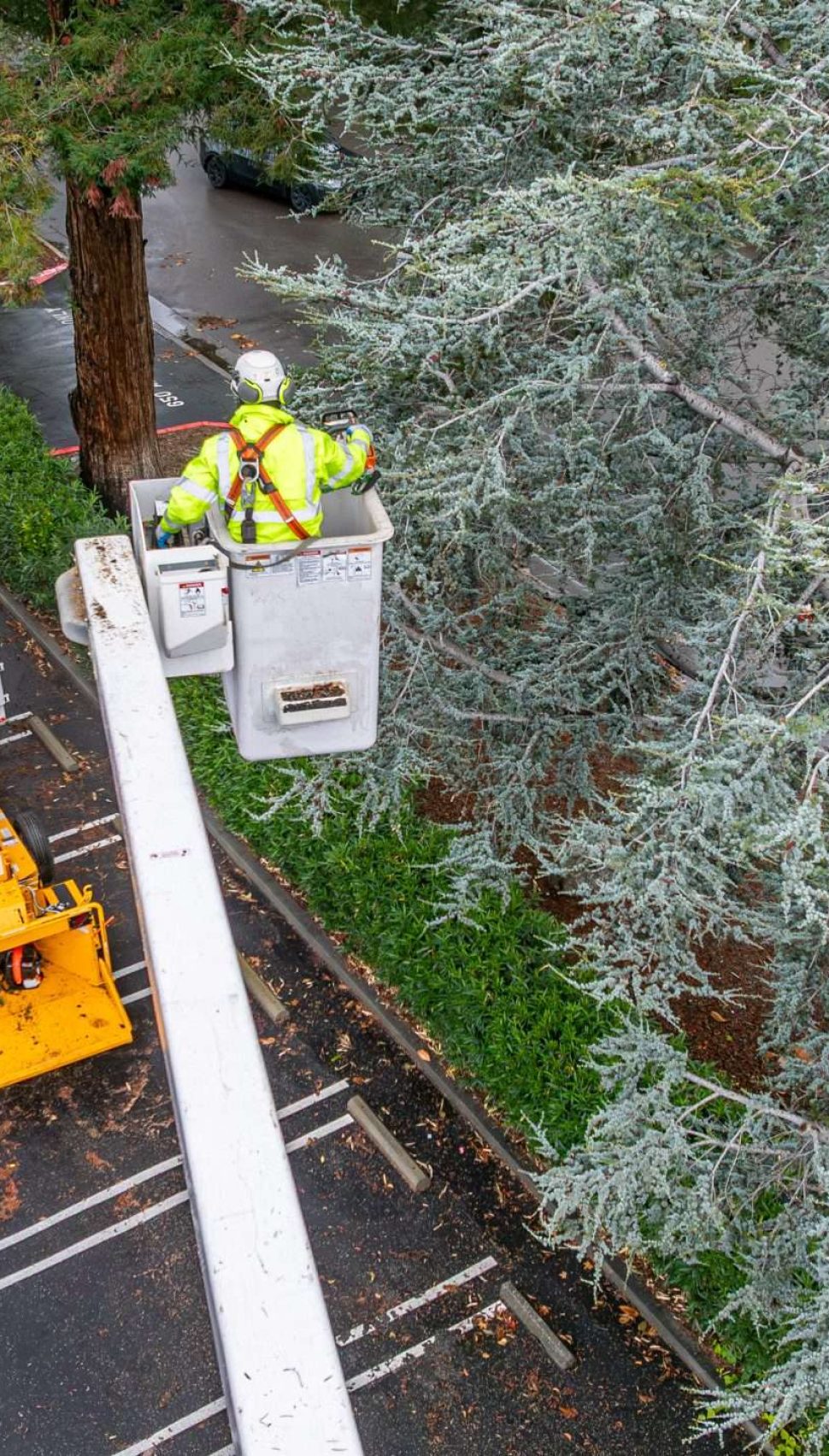
Tree Health Assessment Services Explained
What Property Owners Should Know Before Scheduling an Inspection
A tree can look strong and healthy at first glance. The leaves may be green. The trunk may look solid. But hidden problems can grow inside the tree for years.
Cracks, decay, root damage, and disease often start where you cannot see them. By the time branches fall or the tree starts to lean, the damage may already be serious.
That is why tree health assessment services matter. A professional tree inspection helps property owners spot problems early, cut down on safety risks, and protect the long-term value of their trees.
In this guide, you will learn what a tree health assessment includes, why it matters for commercial and large residential properties, and what to expect during a certified arborist inspection.
What Are Tree Health Assessment Services
Tree health assessment services are detailed inspections done by a certified arborist. The goal is to check the overall condition of a tree, including its structure, roots, canopy, and any signs of disease.
Unlike a quick visual check, a professional tree inspection goes deeper. It looks at both the biological health and structural stability of the tree.
These services are common for
- Commercial properties
- HOAs and multi-family communities
- Large estates
- Business parks and campuses
During the assessment, the arborist collects data and writes up the findings in a formal arborist report. This report outlines the current tree condition and gives clear recommendations for maintenance, pruning, plant health care, or removal if needed.
Why Tree Health Assessments Matter for Property Owners
Tree risk assessment and tree health inspections play a big role in property safety.
1. Reducing Safety Hazards
Weak branches, internal decay, and root failure can cause a tree to collapse without warning. This creates risk for
- Pedestrians
- Vehicles
- Buildings
- Outdoor gathering areas
A certified arborist inspection catches these risks before failure happens.
2. Protecting Property Value
Mature, healthy trees enhance both curb appeal and the overall value of a property. When trees decline without care, they may need costly emergency tree removal.
Early detection helps prevent bigger problems down the road.
3. Supporting Liability Protection
Property owners have a duty to maintain safe conditions. A documented arborist report shows that regular inspections were performed. This documentation can help support insurance compliance and risk management plans.
What Happens During a Professional Tree Inspection
Many property managers wonder what a tree evaluation actually includes. Here is what typically happens during tree health assessment services.
Visual Canopy and Trunk Inspection
The arborist checks for
- Dead or hanging branches
- Cracks in the trunk
- Cavities
- Leaning structure
- Weak branch attachments
Root Zone Evaluation
Root health is critical. Many tree failures begin below ground.
The arborist looks at
- Soil condition
- Signs of root rot
- Exposed root flare
- Soil compaction
- Construction damage near the base
Structural Assessment
Tree structure affects long-term stability. The inspection may identify
- Codominant stems
- Included bark
- Poor branch angles
- Imbalanced canopy weight
Pest and Disease Check
Tree disease symptoms can include
- Fungal growth on trunk or roots
- Leaf discoloration
- Early leaf drop
- Insect infestation
In Santa Clara County, Monterey County, San Benito County, and Alameda County, drought stress and soil compaction are common contributors to tree decline.
Arborist Report and Recommendations
After the inspection, the certified arborist puts together a written arborist report. This document may include
- Tree condition rating
- Tree risk assessment findings
- Photos of defects
- Maintenance recommendations
- Pruning schedule
- Plant health care suggestions
This report helps property owners plan ongoing tree maintenance.
Common Problems Found During Tree Health Assessments
Professional tree inspection often turns up issues that are not visible from a distance.
Structural Issues
- Internal decay
- Cracks and splits
- Hollow cavities
- Root plate movement
Biological Issues
- Fungal infections
- Bacterial disease
- Insect damage
- Poor canopy density
Environmental Stress
- Drought stress in trees
- Soil compaction from foot traffic
- Irrigation problems
- Construction impact on root systems
When these issues are caught early, corrective action such as pruning, fertilization, or soil treatment can help save the tree.
How Often Should Trees Be Inspected
Inspection frequency depends on tree age, location, and property type.
Commercial tree care programs often include annual tree inspections. Extra inspections are a smart move
- After major storms
- Before construction projects
- When visible decline appears
- For mature trees with large canopies
Routine monitoring is more cost-effective than dealing with an emergency later.
Tree Health Assessment vs Tree Risk Assessment
Many people confuse tree health inspection with tree risk assessment. They are related, but they focus on different things.
Tree health assessment looks at the biological condition. It checks for disease, pests, and overall vitality.
Tree risk assessment focuses on the chance of tree failure and the potential impact on people or property.
For commercial properties, both services often work together as part of a full property tree management plan.
Long-Term Benefits of Ongoing Tree Monitoring
A structured tree maintenance program offers lasting value. Here are some of the key benefits
- Early disease detection
- Lower emergency removal costs
- Improved tree longevity
- Better fire fuel reduction planning
- Stronger overall canopy health
When trees are monitored on a regular schedule, property managers gain more predictability in budgeting and maintenance planning.
Choosing the Right Certified Arborist Services
Not all tree service providers perform detailed tree health assessment services. When selecting a provider, look for
- Certified arborist credentials
- Experience with commercial tree care
- Detailed written reporting
- Knowledge of local regulations
- Insurance coverage
Large properties in Santa Clara, San Benito, Monterey, and Alameda Counties benefit from working with a company that understands regional climate stress and fire safety requirements.
Protect Your Property with Professional Tree Health Assessment Services
Trees are long-term assets. They provide shade, beauty, and environmental value. But without regular inspection, hidden problems can grow into serious hazards.
Tree health assessment services help property owners cut liability risks, protect property value, and support responsible tree management.
If you manage a commercial property, HOA, or large residential estate, now is the right time to schedule a professional tree inspection.
Contact Alpine Tree Care to request a certified arborist inspection and receive a detailed arborist report tailored to your property’s needs.
Proactive care today helps prevent costly problems tomorrow.
Table of Contents