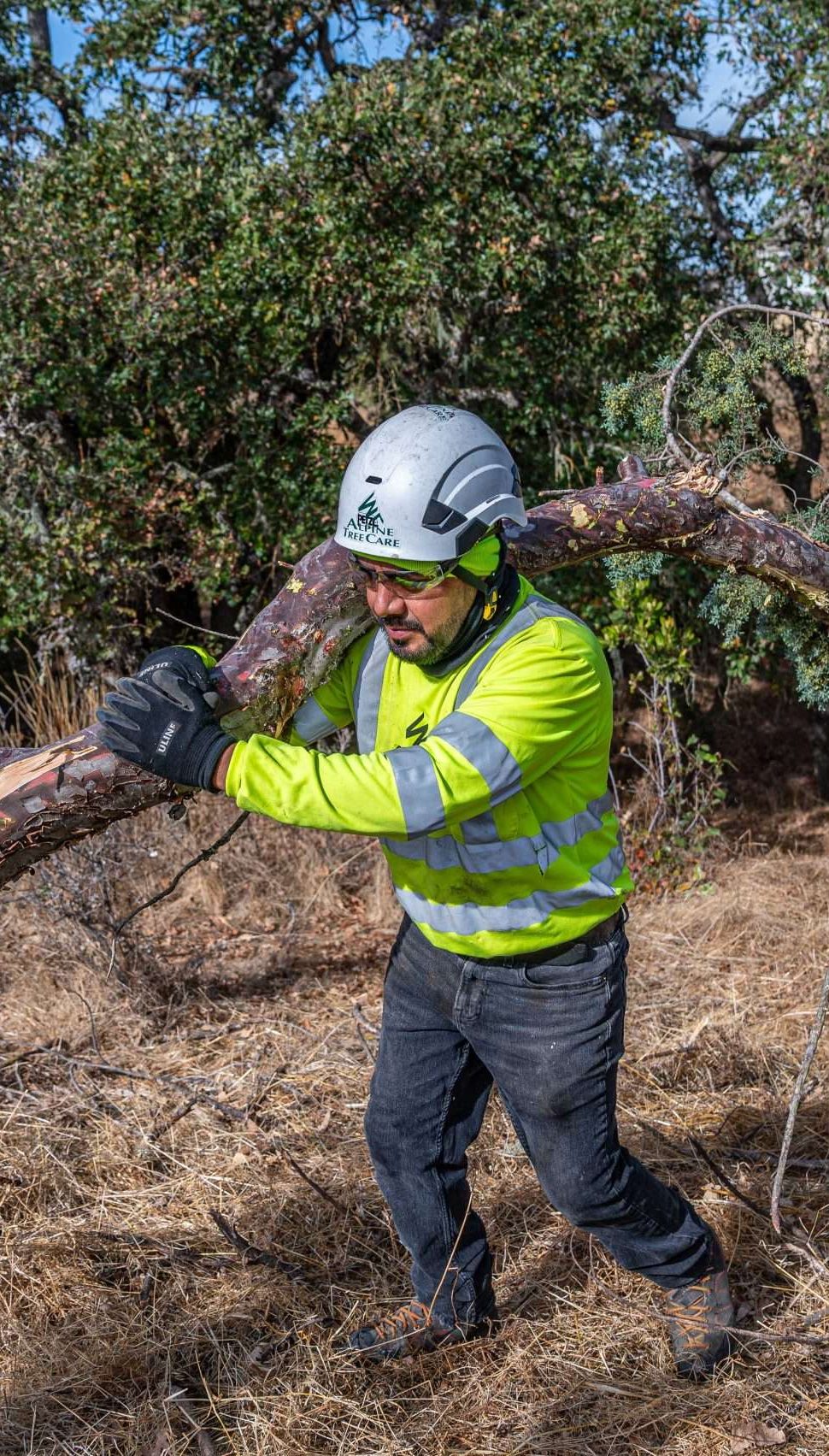
Emergency Tree Service Explained: What to Do When a Tree Falls on Your Property
Trees can fall when you least expect it. High winds might knock one over. Heavy rain can weaken the roots. Sometimes damage hides inside the trunk where you can’t see it.
When a tree comes down, most people don’t know what to do first. Should you call someone? Can you move it yourself? Is it safe to get close?
This guide walks you through emergency tree service. You’ll learn how to spot a real tree emergency and what steps to take right away. We’ll talk about when you need to call trained professionals and how to prevent these problems from happening again.
What Counts as an Emergency Tree Situation
Not every fallen branch needs emergency help. Some situations can wait until morning. Others need someone on site right now.
You’re dealing with an emergency when a tree puts people at risk or blocks normal access. The key is knowing the difference between a problem and a crisis.
Here are the situations that need fast action:
- A tree falling on a home, garage, fence, or other structure
- A tree blocking a driveway, road, or main walkway
- A tree leaning after a storm or ground movement
- Broken limbs hanging over parking areas or sidewalks
- Trees touching or tangled in power lines
Waiting too long with any of these can make things worse. A damaged tree doesn’t just sit still. It can shift, roll, or fall further without any warning signs.
Immediate Steps to Take After a Tree Falls
Your first job is keeping everyone safe. Quick thinking right after a tree falls can stop injuries and limit damage to your property.
Here’s what you need to do first:
- Keep people and pets away from the area
- Look for downed power lines and stay clear
- Call the utility company if wires are involved
- Avoid cutting or moving the tree on your own
- Take clear photos of the damage for records
Don’t try handling a fallen tree without proper training or tools. Even small trees can be tricky. Large trees hold tension in ways that are hard to see until you make a cut. That’s when things can go wrong fast.
When to Call Emergency Tree Service
Some tree problems can’t wait until next week. When you’re looking at a safety hazard or blocked access, you need help now.
Pick up the phone for emergency tree removal when:
- A tree has damaged a building or vehicle
- A tree blocks access to homes or businesses
- A tree is unstable and may fall further
- Heavy limbs hang over areas used by people
Professional tree crews come with the right tools and years of experience. They know how to handle these dangers without anyone getting hurt.
Why Emergency Tree Removal Is Not a DIY Job
You might think about grabbing a chainsaw and taking care of that fallen tree yourself. Maybe it looks manageable. Maybe you want to save some money.
Stop right there. This is one job you don’t want to tackle alone.
Here’s why professional emergency tree service makes a difference:
- Fallen trees can roll or shift without warning
- Chain saw use carries a high injury risk
- Tree weight and pressure are hard to judge
- Nearby structures can be damaged during removal
Certified arborists and trained crews know exactly how to control each cut. They understand how wood under tension behaves. They can spot risks that most people miss completely.
What Emergency Tree Service Professionals Do
When the pros show up, they don’t just start cutting. Emergency tree service follows a careful process that puts safety first.
Here’s what happens during a typical emergency response:
- Checking the site for safety risks
- Setting up equipment and work zones
- Removing the tree in controlled sections
- Clearing debris from the area
- Offering follow-up care or stump grinding
Every step is planned to protect people, buildings, and any healthy trees nearby. The crew works together using signals and careful coordination.
Insurance and Documentation After Tree Damage
Tree damage usually means dealing with insurance. The better your records, the smoother that process goes.
Here are steps that help with claims:
- Take photos from several angles
- Record the date and time of the damage
- Save any arborist reports or service notes
- Contact your insurance provider early
Some insurance companies want proof that the tree was actually dangerous. A report from an arborist can back up your claim and speed things along.
Preventing Future Tree Emergencies
You can’t stop every tree emergency. But you can lower the chances of it happening on your property.
Most emergencies come from trees that were already weak or sick. Healthy trees stand up better to storms and high winds.
Here are ways to reduce your risk:
- Scheduling routine tree inspections
- Pruning weak or crowded branches
- Watching for signs of decay or disease
- Addressing leaning trees early
Regular care doesn’t just help your trees look better. It supports long-term safety for everyone who lives or works near them.
Get Help When You Need It
When a tree falls or becomes unsafe, don’t wait around. Fast action protects people, property, and keeps access open.
Professional emergency tree service means you get the right crew with the right equipment. Contact Alpine Tree Care to check out the situation and handle emergency tree removal safely.
Table of Contents